
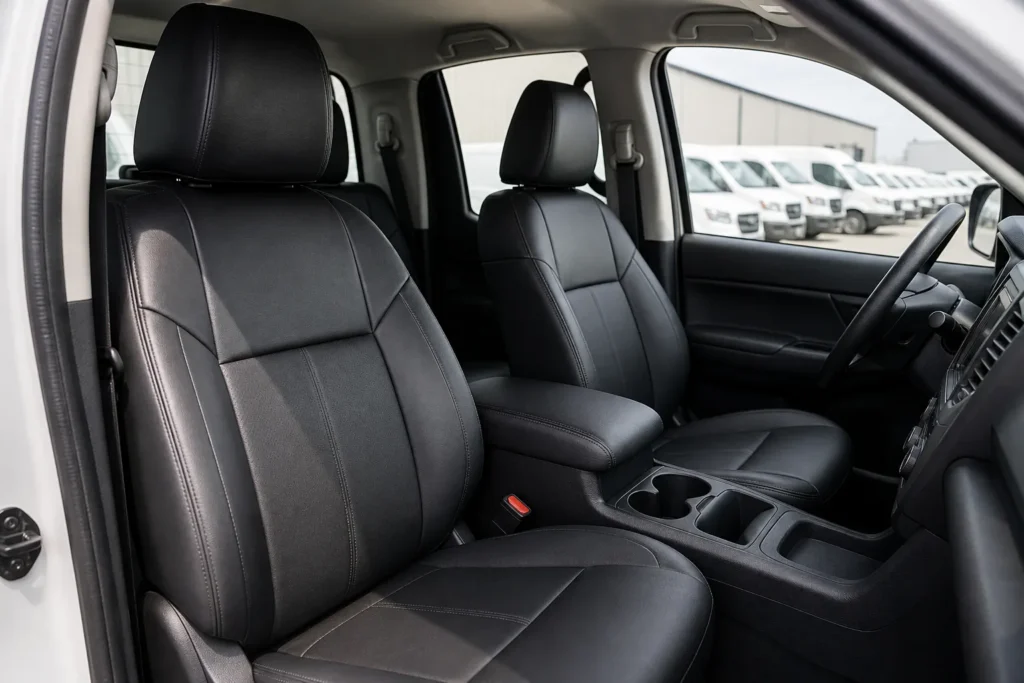
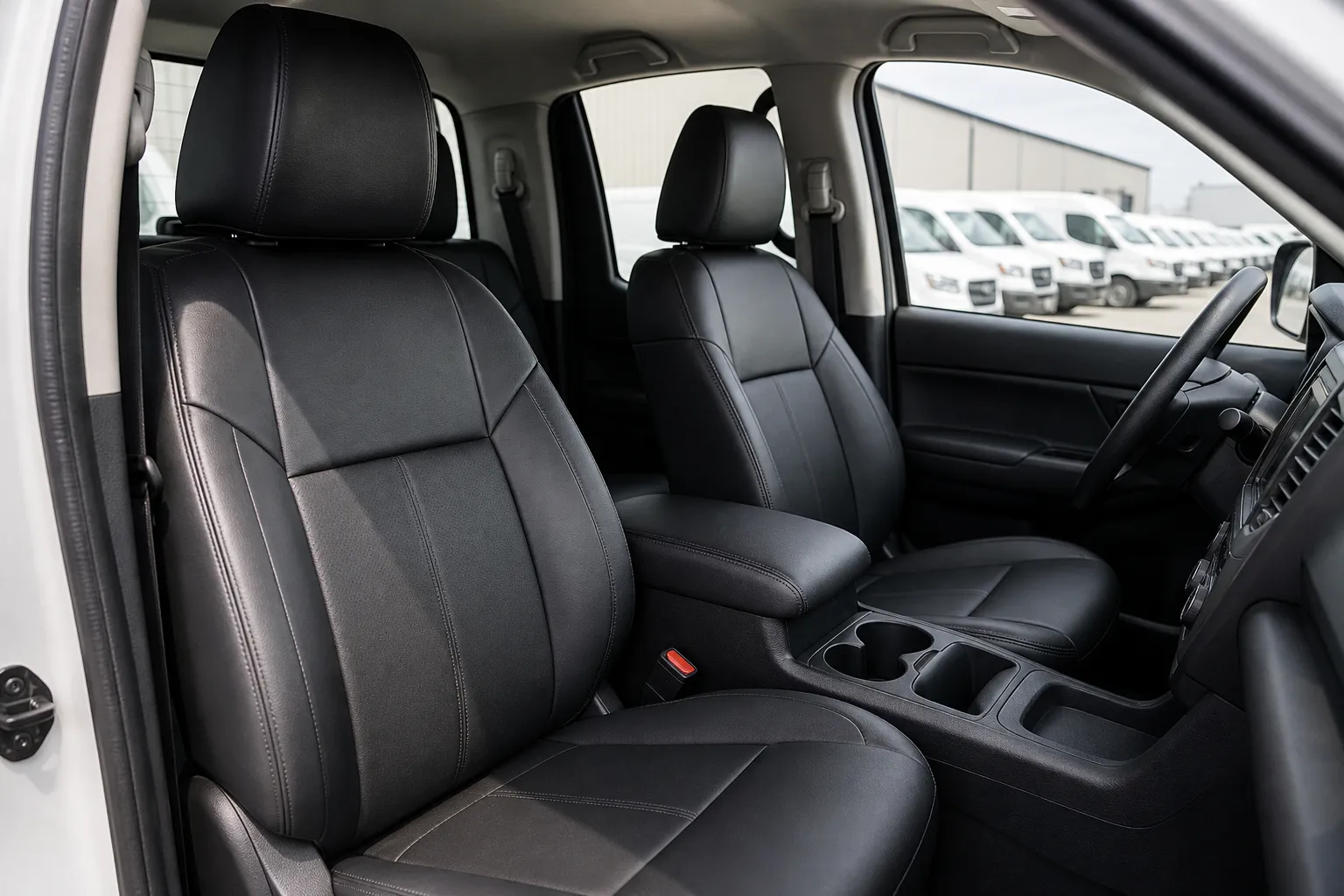
In the realm of fleet management, maintaining vehicles in top condition while ensuring comfort for both drivers and passengers is of utmost importance. One essential automotive accessory that significantly contributes to this goal is leather seat covers. These covers not only enhance the aesthetic appeal of fleet vehicles but also extend the lifespan of the seats, making them a smart investment. However, with the myriad of options available, selecting the right leather seat covers can be a challenging task. This article aims to assist fleet managers in navigating the selection process, ensuring they make informed choices that align with their operational needs.
Understanding Specifications
When it comes to choosing leather seat covers, grasping the specifications is crucial.
- Material Quality and Durability: The quality of leather used in seat covers can vary widely. Genuine leather tends to be more durable and offers a luxurious feel, while synthetic leather provides a cost-effective alternative that still maintains reasonable durability. Fleet managers should consider the expected wear and tear on their vehicles and opt for materials that can endure daily use.
- Fit and Compatibility with Vehicle Models: It’s essential to ensure that seat covers fit correctly for both functionality and aesthetic appeal. Custom-fit covers are designed to match specific vehicle models, offering a snug fit that enhances comfort and style. On the other hand, universal-fit covers, while more adaptable, may fall short in terms of comfort and protection. Fleet managers should verify the compatibility of the seat covers with their specific vehicle models before making a purchase.
- Maintenance and Cleaning Requirements: Leather seat covers necessitate particular care to preserve their appearance and longevity. Understanding the cleaning requirements of various materials is vital. Genuine leather may require specialized cleaners and conditioners, while synthetic options often demand less maintenance. Fleet managers should take into account the ease of cleaning when selecting seat covers, especially for vehicles subjected to heavy use.
Use Cases for Leather Seat Covers
Leather seat covers fulfill multiple roles that can greatly benefit fleet vehicles.
- Enhancing Comfort for Drivers and Passengers: Comfort is key in fleet operations, particularly for long-distance travel. Leather seat covers can significantly improve the seating experience, reducing driver fatigue and enhancing overall satisfaction for passengers. In my experience, a comfortable seat can make all the difference on long trips.
- Protecting Seats from Wear and Tear: Fleet vehicles often endure considerable wear and tear, leading to costly repairs. Leather seat covers act as a protective barrier against spills, stains, and general wear, thus prolonging the life of the original upholstery. As someone who has seen the costs of seat repairs add up, I can attest to the value of preventive measures.
- Improving Vehicle Aesthetics: First impressions are vital in business. Leather seat covers can elevate the interior look of fleet vehicles, making them appear more professional and well-maintained. This enhancement can positively impact brand image, especially in client-facing situations.
Comparing Different Leather Seat Cover Options
Fleet managers have various options when it comes to leather seat covers.
- Custom vs. Universal Fit: Custom-fit seat covers are tailored to specific vehicle models, providing a precise fit that enhances comfort and aesthetics. Conversely, universal seat covers offer flexibility but may not provide the same level of protection or visual appeal. Evaluating the trade-offs between these options is essential for making the right choice.
- Different Types of Leather (Genuine vs. Synthetic): Genuine leather offers durability and a luxurious feel, while synthetic leather tends to be more affordable and easier to maintain. Fleet managers should weigh the benefits of each type against their budget and maintenance capabilities.
- Price Range and Budget Considerations: Leather seat covers can vary significantly in price. It’s crucial for fleet managers to establish a budget that aligns with their operational needs while also considering the long-term investment value of high-quality covers.
Sourcing Leather Seat Covers
Finding the right supplier is key to obtaining quality leather seat covers.
- Evaluating Suppliers and Manufacturers: Conducting thorough research on suppliers and manufacturers is essential to ensure quality and reliability. Look for companies with a solid reputation and positive customer reviews. Panan Landing Auto Accessories Co., Ltd. provides a variety of options that cater to different fleet needs.
- Bulk Purchase Discounts and Offers: Many suppliers offer discounts for bulk purchases, which can be advantageous for fleet managers looking to cover multiple vehicles. Negotiating pricing based on volume can lead to significant savings.
- Warranty and Return Policies: Understanding warranty and return policies is crucial. A robust warranty can provide peace of mind, while flexible return policies allow for adjustments if the chosen covers do not meet expectations.
Implementation and Installation
Proper installation of leather seat covers is vital for their effectiveness.
- DIY Installation vs. Professional Services: Fleet managers can opt for DIY installation or hire professionals. While DIY can save costs, professional installation may ensure a better fit and finish. From what I have seen, sometimes it’s worth the investment to get it done right the first time.
- Tools Required for Installation: If opting for DIY, specific tools may be needed, including screwdrivers, pliers, and a heat gun for stretching materials. Ensuring that the right tools are on hand can streamline the installation process.
- Timeframe for Installation Process: The installation timeframe can vary based on the complexity of the seat covers and the installation method chosen. Fleet managers should plan accordingly to minimize vehicle downtime.
Frequently Asked Questions
- How to Care for Leather Seat Covers? Regular cleaning with appropriate leather cleaners and conditioners is recommended to maintain the quality and appearance of leather seat covers.
- What is the Lifespan of Leather Seat Covers? The lifespan can vary depending on the material quality and usage, but high-quality leather seat covers can last several years with proper care.
- Can Leather Seat Covers Be Customized? Yes, many suppliers offer customization options, allowing fleet managers to select colors, logos, and other features that align with their branding.
In conclusion, selecting the right leather seat covers for fleet vehicles is a critical decision that impacts both comfort and vehicle longevity. By understanding specifications, comparing options, sourcing effectively, and ensuring proper installation, fleet managers can make informed choices that enhance their fleet’s performance and appearance. For more detailed information on leather seat covers, refer to this industry reference from AZoM.